Why Irish Food Is More Than Stew: The Surprising Flavors That Define Ireland
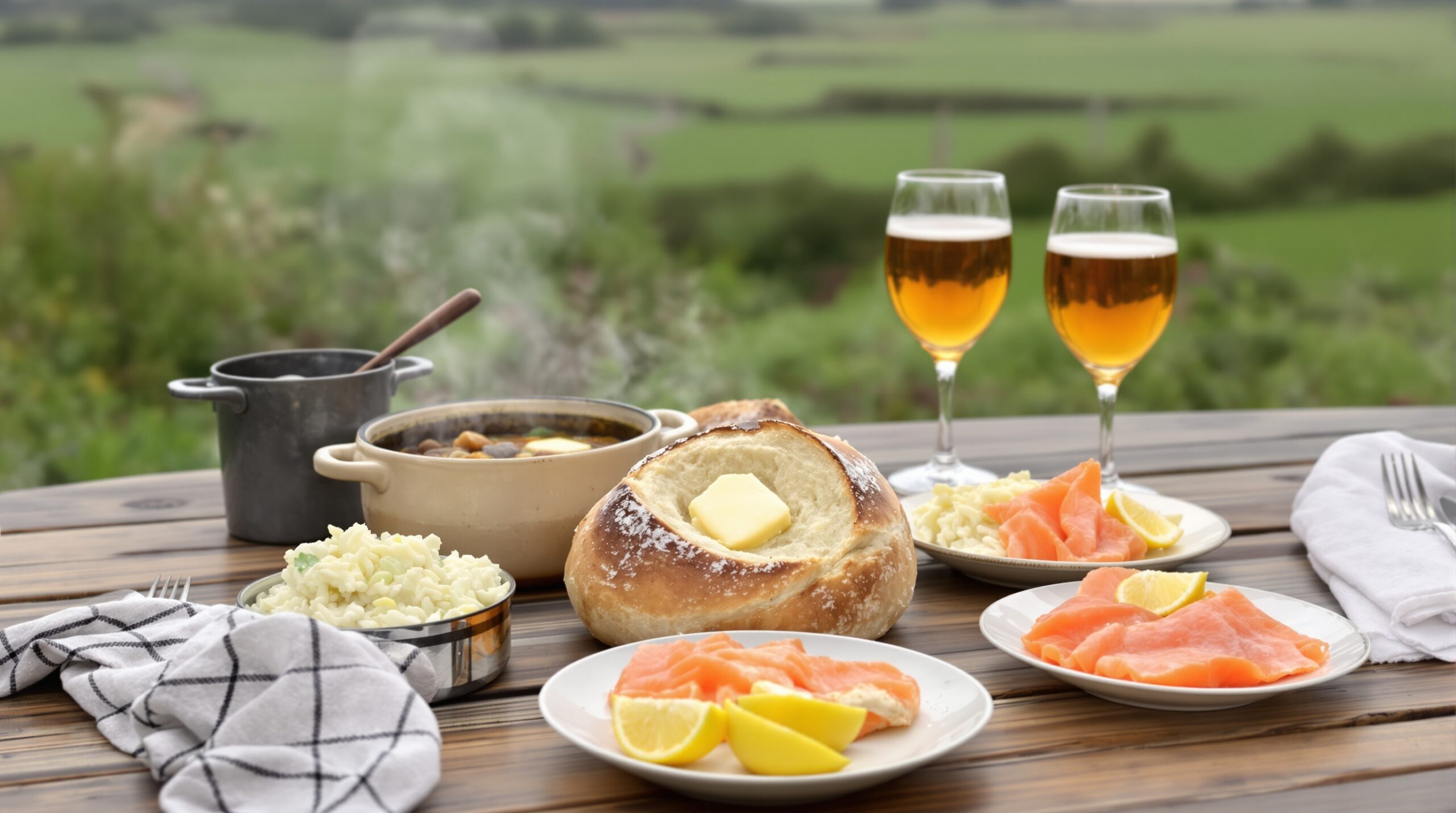
Ireland on a Plate: A Delicious Surprise
Irish food is often reduced to comforting images of stew and potatoes, but that simple idea misses the depth, seasonality, and regional creativity in Ireland’s cuisine. From coastal seafood to centuries-old baking traditions and vibrant modern restaurants, Irish food blends humble ingredients with bold flavor and long memories. This article takes you through the history, the icons, recipes you can try at home, and how contemporary chefs are rewriting what it means to eat Irish.
A Short History: Why Irish Food Looks Simple
Ireland’s cuisine was shaped by climate, land ownership, and necessity. Cool, wet weather favors grass (and therefore dairy) and hardy root crops like potatoes, which became central after their introduction in the 16th century. For generations, rural diets relied on what could be grown or raised nearby: oats, barley, cabbage, dairy, pork, and seafood where coasts and rivers allowed.
The Great Famine of the mid-19th century left a lasting mark on food culture and scarcity, and emigration spread Irish cooking across the world. Today, traditional dishes remain cherished, but a modern wave of chefs has reclaimed local produce and artisanal methods to show how varied Irish food can be.
Staple Ingredients to Know
- Potatoes: mashed, roasted, or turned into boxty, they appear everywhere
- Dairy: butter, cream, and farmhouse cheeses are a hallmark
- Oats and barley: used in breads, porridges, and savoury dishes
- Pork and lamb: common meats shaped by small farms
- Seafood: salmon, mussels, cod, and smoked fish along the coasts
- Cabbage, leeks, carrots, and root vegetables: resilient crops that complement rich proteins
Iconic Irish Dishes (and What Makes Them Special)
-
Irish Stew: A slow-cooked dish of lamb or mutton, potatoes, onions, and carrots. Simplicity highlights the quality of the meat and stock.
-
Soda Bread: A quick bread leavened with baking soda and buttermilk. Crusty on the outside, tender inside, often enriched with oats or seeds.
-
Boxty: A potato pancake or dumpling with regional variations; a perfect example of creative use of potatoes.
-
Colcannon and Champ: Mashed potatoes blended with cabbage or scallions and lots of butter — the ultimate comfort side.
-
Full Irish Breakfast: Eggs, rashers (bacon), sausages, black and white pudding, grilled tomato, mushrooms, and soda bread or potato farls. A feast of textures and flavors.
-
Black and White Pudding: Sausages made with oatmeal and pork blood (black) or without blood (white), heavily spiced and rich in umami.
-
Smoked and Cured Fish: Irish smoked salmon and kippers are often simply presented to showcase clean smoke and sea-sweet flavors.
-
Shepherd’s Pie and Cottage Pie: Baked minced meat topped with mashed potatoes — hearty torsos of comfort cuisine.
Two Simple Recipes to Try at Home
1) Quick Irish Soda Bread
Ingredients
- 4 cups plain flour
- 1 tsp baking soda
- 1 tsp salt
- 2 cups buttermilk
Method
- Preheat oven to 425°F (220°C). Lightly flour a baking sheet.
- Mix flour, baking soda, and salt in a bowl. Make a well and pour in buttermilk.
- Stir just until a soft dough forms. Shape into a round loaf and place on the sheet.
- Score a cross on top and bake 30–35 minutes until golden and hollow-sounding when tapped.
- Cool slightly and serve warm with butter.
2) Simple Irish Stew (serves 4)
Ingredients
- 1.5 lb lamb shoulder, cubed
- 4 large potatoes, peeled and halved
- 2 onions, roughly chopped
- 3 carrots, sliced
- 4 cups stock (beef or lamb)
- Salt and black pepper
- 2 tbsp oil or butter
Method
- Brown lamb in batches in a heavy pot with oil, then remove.
- Sauté onions until soft. Return lamb, add stock to cover, and simmer gently for 1 hour.
- Add potatoes and carrots, continue to simmer 30–40 minutes until vegetables and meat are tender.
- Season to taste. Serve hot with soda bread.
Modern Irish Cuisine: Tradition Meets Creativity
In cities like Dublin, Galway, and Cork, chefs are reimagining classics with seasonal produce and foraged ingredients. Expect: house-made charcuterie, inventive uses of seaweed, artisanal cheeses, and refined takes on comfort dishes. There’s a strong farm-to-table ethos: small producers, heritage breeds, and sustainable fishing practices are shaping a new culinary identity.
Pairing and Drinking
Guinness and hearty stews are a tradition, but Irish food pairs well with much more: crisp Irish ciders, light pilsners, farmhouse ales, and a growing scene of boutique Irish gins and whiskeys. For seafood, a dry white wine or crisp natural cider complements the flavors.
Tips for Travelers and Home Cooks
- Try regional specialties: west coast seafood, Ulster’s soda farls, or Dublin’s modern bistros.
- Visit markets and talk to vendors to learn about local producers.
- Don’t be afraid of simple dishes — in Ireland, simplicity often signals quality ingredients and skillful cooking.
Final Bite
Irish food is often comforting and unpretentious, but beneath that apparent simplicity lies an emphasis on seasonality, craft, and memory. Whether you’re tasting a peasant stew simmered for hours, a slice of freshly baked soda bread, or a modern plate that highlights wild seaweed, you’ll find that Irish cuisine rewards curiosity and respect for place.
Go explore it with an empty stomach and an open mind.













Post Comment