From Water Fights to Fortune-Telling: 9 Delightfully Quirky Polish Traditions You’ll Want to Join
Poland’s Most Fun Traditions — A Visitor’s Guide
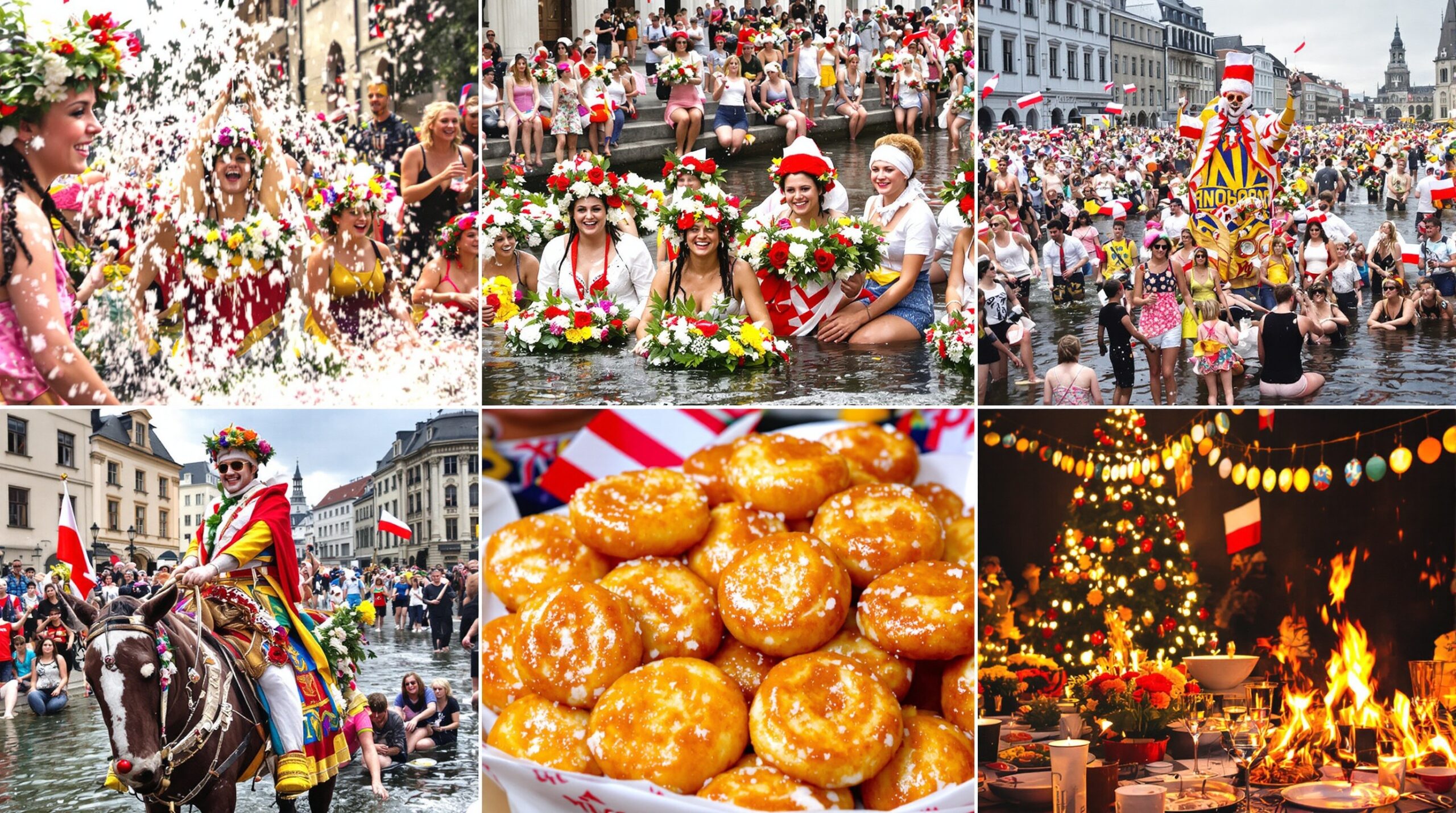
Poland is full of history and solemn customs, but it also has a playful, exuberant side. From organized parades to spontaneous water fights, Polish traditions are a great way to connect with locals and have authentic fun. Here are 9 quirky, joyful traditions to look for and how to join in.
1) Andrzejki — St. Andrew’s Eve Fortune-Telling (November 29)
- What it is: A night of lighthearted divination where friends try to predict love, marriage and future jobs.
- Typical activities: Wax pouring, shoe races, dropping keys into water, reading shapes in melted wax. Parties are often full of laughter and playful suspense.
- How to join: Many bars and cultural centers run Andrzejki events; join a private party or a public event and be ready to play along.
- Fun phrase: “Kto pierwszy znajdzie miłość?” — Who will find love first?
2) Śmigus-Dyngus — Easter Monday Water Fun
- What it is: Also called Wet Monday, people of all ages splash water on one another, symbolizing spring and purification.
- Where to go: Smaller towns and university cities like Kraków and Poznań are famous for lively celebrations.
- How to join: Be ready to get wet. Join a group on the street or wave back and throw a little water in good spirit.
3) Wianki / Noc Kupały — Midsummer Wreaths and Fire Plays (late June)
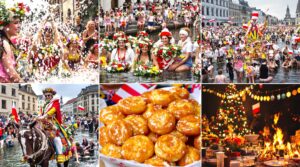
- What it is: Ancient Slavic celebration of summer solstice featuring floating wreaths on rivers, bonfires and music.
- Typical activities: Girls make and float flower wreaths, people jump over bonfires, concerts and craft markets.
- Where to go: Kraków (Vistula Wianki festival) and smaller river towns offer magical, romantic scenes.
4) Tłusty Czwartek — Fat Thursday (date varies, pre-Lent)
- What it is: A nationwide sweet binge day where everyone eats pączki (Polish doughnuts) to celebrate before Lent.
- Why it’s fun: Streets smell of frying dough; bakeries sell out fast; people gift boxes of pączki to friends and co-workers.
- How to join: Buy fresh pączki early and shout “Smacznego!” as you offer them.
5) Dożynki — Harvest Festivals (late summer)
- What it is: Traditional village celebrations thanking for the harvest with parades, embroidered costumes, folk music and giant wreaths.
- Typical activities: Competitions for the most ornate harvest wreath, folk dances, hearty food and community feasts.
- How to join: Visit rural areas or regional ethnographic fairs; be ready to clap, dance and try local foods.
6) Lajkonik Parade — Kraków’s Playful Conqueror (first Thursday after Corpus Christi)
- What it is: A legendary, colourful procession where a man dressed as a Tatar on a hobby horse playfully “conquers” Kraków.
- Why it’s fun: Brass bands, confetti, locals trying to avoid the Lajkonik’s swinging mace or getting tapped for luck.
- How to join: Watch from the route or follow the procession to a lively street-party atmosphere.
7) Świętojańskie Ogniska and Kupala Night Traditions
- What it is: Roots in pagan rituals celebrating love and fertility with songs, wreaths and bonfires.
- Activities: Lovers jump over fires, sing folk songs, and look for magical signs in wreath floats.
- Tip: Bring a small wreath or flowers to contribute to the floating wreath ceremonies.
8) Imieniny — Name Day Celebrations
- What it is: A social custom where name days (the saint day for your first name) are celebrated often more casually than birthdays.
- How it’s fun: Expect spontaneous visits, cake or drinks at work, and toasts of “Sto lat!” (May you live a hundred years).
- How to join: If a Polish friend celebrates, bring pastries or flowers and say “Wszystkiego najlepszego!”
9) Rogale Świętomarcińskie and St. Martin’s Day (November 11)
- What it is: In Poznań and western Poland, people celebrate St. Martin with parades and eat crescent-shaped poppy-seed pastries called rogale.
- Why it’s fun: Family-friendly parades, marching bands and the hunt for the best rogale.
- Tip: Try a freshly made rogale; the filling is rich and unique to the region.
Practical tips for enjoying Polish traditions
– Timing: Many events are tied to religious or seasonal dates, so check calendars in advance. Major cities like Kraków, Warsaw, Poznań and Gdańsk have the biggest public events.
– Participation etiquette: Join in with good humor, accept food or small rituals, and reciprocate when welcomed. Poles love guests who try local customs.
– Language cheats: “Dziękuję” (thank you), “Smacznego” (enjoy your meal), “Sto lat” (cheer for someone), and “Wszystkiego najlepszego” (best wishes) go a long way.
– What to wear: For outdoor festivals, wear layers and comfortable shoes; for church-related customs, dress respectfully.
Poland’s traditions are warm, theatrical and often participatory. Whether you want to get sprinkled on Easter Monday, taste a warm pączek on Fat Thursday or toss a flower wreath into the Vistula, you’ll find celebrations that are as welcoming as they are memorable. Pack a smile and a sense of adventure — and you’ll make some great stories and friends along the way.




Post Comment