I Found Ireland’s Most Magnetic Places — 12 Must-Visit Spots You Can’t Miss
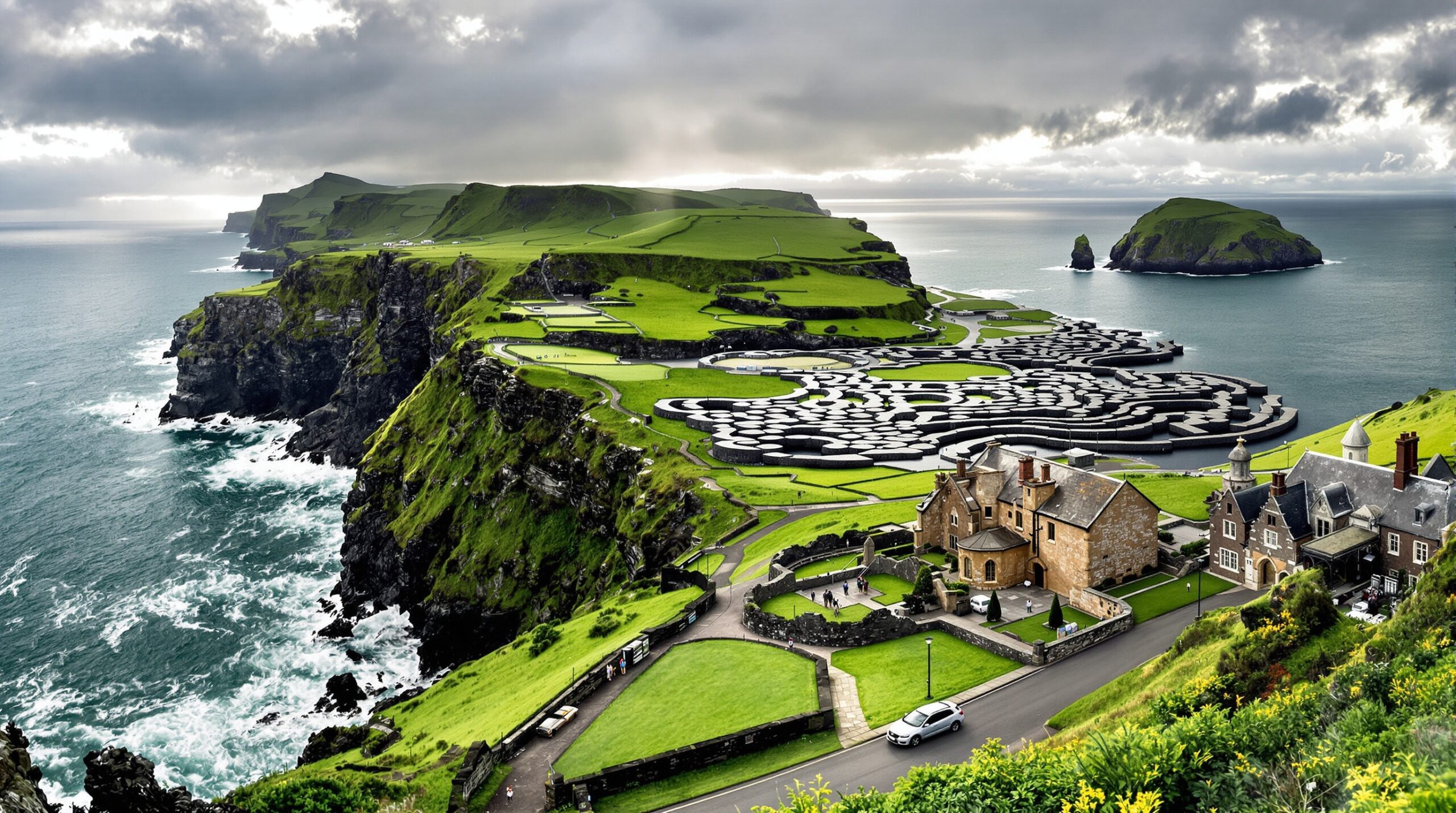
Ireland packs mountains, cliffs, cities, and myths into a small island — and travelers return again and again. Whether you crave dramatic coastlines, cozy pubs, ancient stone monuments or cinematic drives, these top-visited places capture the heart of the island (both the Republic of Ireland and Northern Ireland). Here are 12 places that should be on every Ireland itinerary — what to see, why they matter, and practical tips to make the most of each visit.
-
Cliffs of Moher (County Clare)
-
Why go: The Cliffs of Moher are Ireland’s most iconic coastal spectacle — towering sea cliffs that drop dramatically to the Atlantic. The views on a clear day are jaw-dropping.
- What to see: O’Brien’s Tower viewing point, the coastal walking trails north and south, and the informative visitor center that places the cliffs in geological and cultural context.
-
Tip: Arrive early or late in the afternoon to avoid tour-bus crowds; bring windproof layers and sturdy shoes.
-
Dublin — Trinity College & Guinness Storehouse (County Dublin)
-
Why go: Dublin blends literary history, Irish hospitality and lively cultural life in one compact city.
- What to see: Trinity College and the Book of Kells, St. Patrick’s Cathedral, Temple Bar district, and the Guinness Storehouse for a rooftop pint and panoramic city views.
-
Tip: Book Book of Kells and Guinness Storehouse tickets in advance; explore smaller neighborhoods like Stoneybatter for a local vibe.
-
Giant’s Causeway (County Antrim, Northern Ireland)
-
Why go: A UNESCO World Heritage site of interlocking basalt columns — a geological marvel with an enduring legend that links Ireland and Scotland.
- What to see: The basalt formations, coastal walking trails, and the nearby Carrick-a-Rede Rope Bridge.
-
Note: Located in Northern Ireland (part of the UK); it’s one of the island’s most visited natural attractions.
-
Ring of Kerry & Killarney National Park (County Kerry)
-
Why go: A scenic driving loop with rugged coastline, mountains, lakes and charming villages — quintessential southwest Ireland.
- What to see: Muckross House and Gardens in Killarney, Ladies View, Torc Waterfall, and the small towns of Kenmare and Sneem.
-
Tip: Take your time and stop for short hikes; summer traffic can make the loop slow, so consider an anti-clockwise drive early in the day.
-
Skellig Michael (County Kerry)
-
Why go: Ancient monastic beehive huts perched on a dramatic, steep island. The remote monastery feels otherworldly — and it featured in the recent Star Wars films.
- What to see: The monastic settlement (access depends on weather and sea conditions), abundant birdlife including puffins.
-
Tip: Tours are limited and subject to weather; book months ahead if visiting in summer.
-
Galway City (County Galway)
-
Why go: A bohemian, music-filled city with cobbled streets, lively pubs, and instant friendliness.
- What to see: Shop Street, Eyre Square, the Latin Quarter, traditional music sessions and a gateway to Connemara and the Aran Islands.
-
Tip: Experience a live trad session in the evening; explore the colorful Spanish Arch and Galway Market on weekends.
-
Connemara & Kylemore Abbey (County Galway)
-
Why go: Wild, windswept landscapes of bogs, mountains and shimmering lakes — one of Ireland’s most ruggedly beautiful regions.
- What to see: Kylemore Abbey and its Victorian walled garden, the Connemara National Park and scenic drives like Sky Road.
-
Tip: Roads are narrow and winding — allow extra time and stop for the views.
-
Newgrange / Brú na Bóinne (County Meath)
-
Why go: A prehistoric passage tomb older than Stonehenge and the Egyptian pyramids — rich in archaeology and seasonal light rituals.
- What to see: The Newgrange passage tomb, Knowth and Dowth monuments within the Brú na Bóinne World Heritage site.
-
Tip: Tours are ticketed and depart from the visitor center in Donore; book ahead, especially in summer.
-
Blarney Castle (County Cork)
-
Why go: Kiss (or admire) the famous Blarney Stone to earn the “gift of the gab,” then explore beautiful gardens and rock close-ups of a medieval keep.
- What to see: The castle battlements, poison garden, and extensive grounds.
-
Tip: Expect queues to kiss the stone; quieter early mornings or late afternoons are best.
-
Dingle Peninsula & Slea Head (County Kerry)
-
Why go: One of Ireland’s most poetic coastal drives, with dramatic cliffs, ancient ruins and vibrant Gaelic culture in Dingle town.
- What to see: Slea Head loop, Gallarus Oratory, be sure to try local seafood and watch for Fungie the dolphin (if in earlier years; sightings vary).
-
Tip: Take short walks on the headlands and enjoy Dingle’s lively pubs and seafood restaurants.
-
Kilkenny (County Kilkenny)
-
Why go: A perfectly preserved medieval city with a lively arts scene, craft shops and a massive castle.
- What to see: Kilkenny Castle, St. Canice’s Cathedral, and the narrow lanes filled with independent craft studios.
-
Tip: The city is compact and walkable — spend an afternoon or overnight to catch evening music and dining.
-
Aran Islands (Inis Mór, Inis Meáin, Inis Oírr)
-
Why go: Step back into a Gaelic-speaking, stone-wall world where traditional life endures and the cliffs meet Atlantic swells.
- What to see: Dun Aonghasa on Inis Mór, island cycling, traditional music and handcrafted knitwear.
- Tip: Ferries and small planes run from Galway and Doolin; check tides and weather, and bring cash for small island businesses.
Practical Tips for Visiting Ireland
- Getting around: Rent a car for flexibility, especially for rural routes like the Ring of Kerry and Connemara. Trains and buses connect major towns and cities.
- When to go: Late spring to early autumn (May–September) offers milder weather and longer daylight. Winter is quieter and cheaper but can be wet and windy.
- Weather: Pack layers and a waterproof jacket — Irish weather changes fast.
- Culture: Chat with locals — a short conversation in a pub or village often leads to the best recommendations.
Suggested Mini Itineraries
- 3-day whirlwind: Dublin (1 day) → Cliffs of Moher/Galway (1 day) → Killarney/Ring of Kerry or Dingle (1 day).
- 7-day relaxed: Dublin → Kilkenny → Rock of Cashel → Killarney & Ring of Kerry → Skellig Michael or Dingle → Cliffs of Moher → Galway/Aran Islands.
Final note: Ireland is small but rich in variety — from city culture and ancient stones to cinematic coastlines and warm pubs. Pick the places that match your rhythm (wild landscapes vs relaxed towns) and leave space for spontaneous detours; some of the best memories come from the little roadside stops and conversations with locals.
Which part of Ireland are you planning to visit — cities, coasts, or the wild west? I can tailor an itinerary for your timeframe and interests.











Post Comment